PCBWay 3D Printing Service: An Easy Way to Turn Ideas Into Real Parts
In the past, bringing a product idea to life required expensive tools, long lead times, and a large production order.
Nowadays, 3D printing offers a much easier route. Working on a new gadget or replacing a broken part, using PCBWay’s 3D printing service can turn your digital design into a real usable part based on your requirements and drawings.
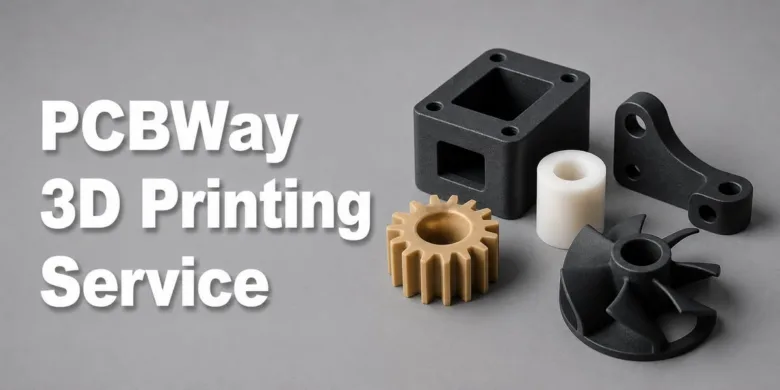
PCBWay provides online 3D printing for individual makers, students, designers, engineers, startups, and established companies. As a customer, you can select from several printing methods, a wide range of plastic and metal materials, and interesting surface finishes. This flexibility makes PCBWay a practical choice for both first-time users and experienced product developers.
A Simple Online Ordering Process
Placing an order starts with preparing your 3D model. After uploading the model to the online quote page, you can choose the quantity, design units, material, color, process, and infill. The platform then provides pricing information so you can review the cost before placing an order.
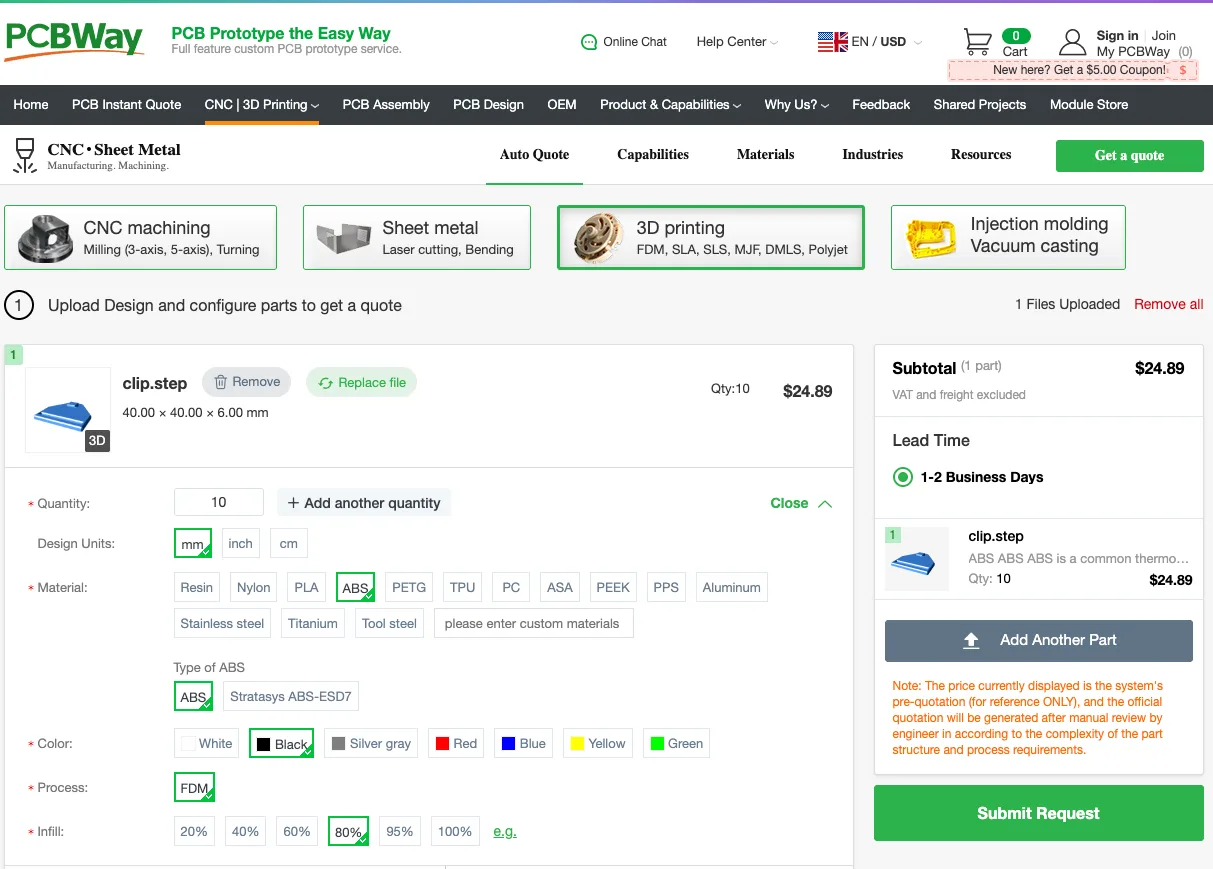
If your project needs a specific material or other custom feature that requires special consideration, PCBWay also offers an expert review. Instead of buying and maintaining a printer, learning every setting, and dealing with failed prints, you can send the job to a team with professional equipment and production experience.
Several 3D Printing Methods for Different Projects
No single printing process is right for every design. PCBWay offers several major 3D printing technologies, allowing customers to balance cost, strength, detail, size, and appearance.
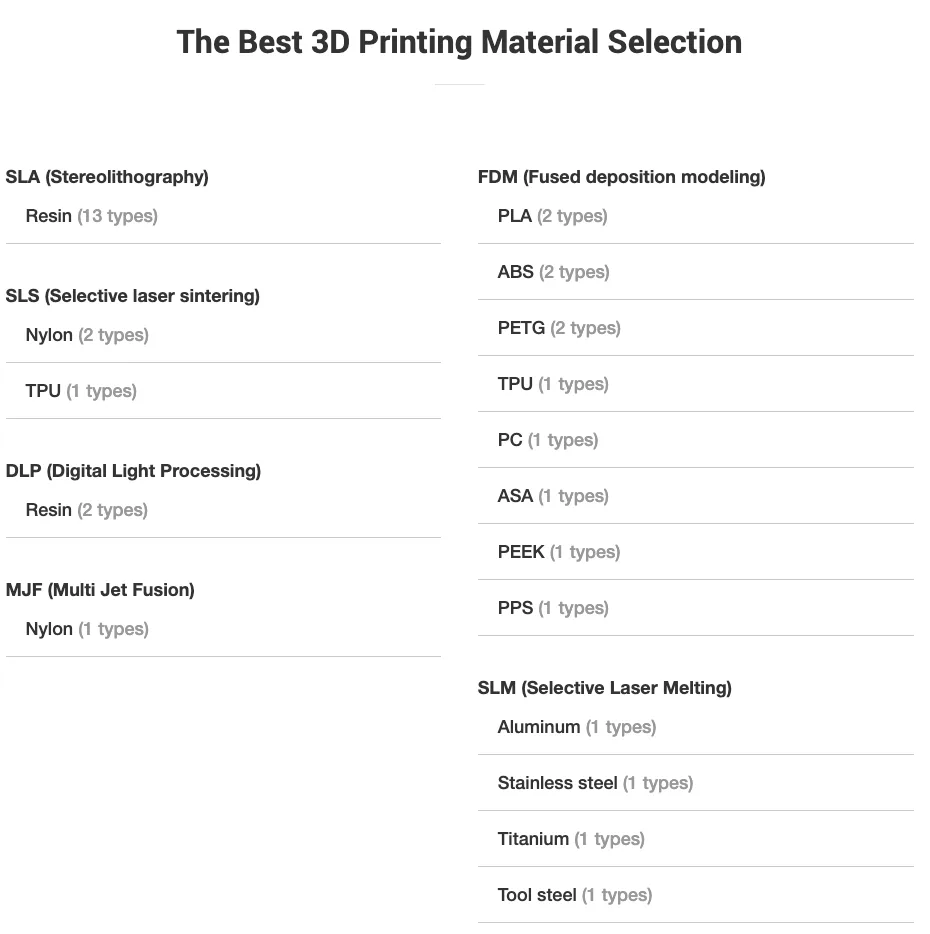
Fused Deposition Modeling (mostly known as FDM) is a popular and affordable option for basic prototypes, brackets, housings, school projects, and early design tests. PCBWay offers familiar and low-cost FDM materials such as PLA, ABS, PETG, TPU, polycarbonate, and ASA.
FDM is often the preferred starting point when you need to check a part’s shape, size, or fit without spending too much. And if you want to print models in multi-color, the FDM service is probably one of the cheapest you can get for multi-color 3D printing.
Stereolithography (also known as SLA) uses light to harden liquid resin one thin layer at a time. It is a strong choice for designs that need smooth surfaces and fine details. Product display models, character models, clear parts, and detailed prototypes can all benefit from SLA printing. PCBWay lists several resin choices, including standard, transparent, heat-resistant, and other special-purpose options.
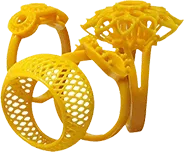
Digital Light Processing (known as DLP or “resin printing”), also creates parts from liquid resin. It can produce fine features and accurate shapes, making it useful for small, detailed models.

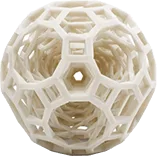
Selective Laser Sintering (known as SLS) joins powdered material with a laser. SLS is well suited to durable nylon components and complex forms. Because the unused powder supports the part during production, designers can create shapes that may be difficult to make with other processes.
Multi Jet Fusion (known as MJF) is another option for strong nylon parts. It works well for functional prototypes, clips, cases, connectors, and small batches. For metal projects, Selective Laser Melting, or SLM, can create dense parts from metal powder. PCBWay offers metal choices including aluminum, stainless steel, titanium, and tool steel. These materials can serve demanding projects where strength, heat resistance, corrosion resistance, or low weight matters.
A Wide Selection of 3D Printing Materials
Choosing the right material is just as important as choosing the printing method. PCBWay’s broad material selection helps customers order parts that match their goals instead of settling for a single type of plastic.
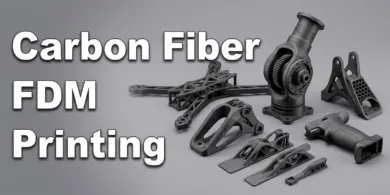
PLA is a cost-effective material for visual models and basic prototypes. ABS offers better impact strength and heat resistance, often used for practical parts. For stronger functional prototypes, carbon fiber materials such as PLA-CF, PETG-CF, and PPS-CF add stiffness, strength, and dimensional stability.
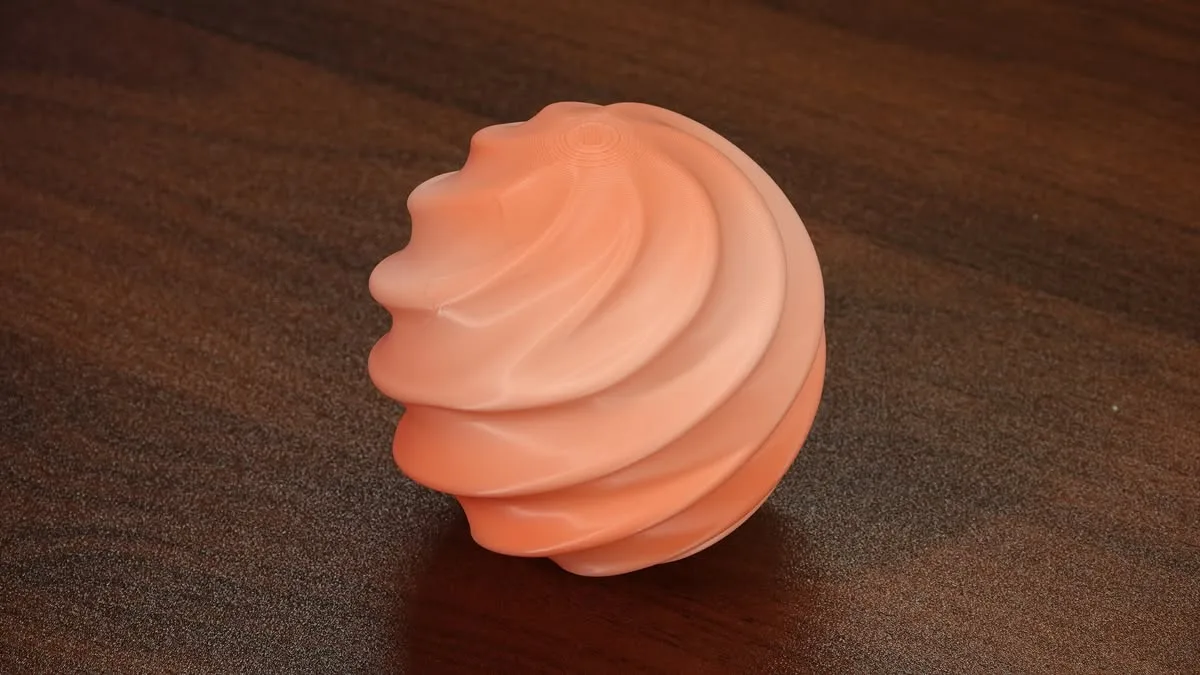
PETG-CF is suitable for outdoor parts, protective covers, brackets, and other demanding applications.
Polycarbonate is light but strong, and ASA is valued for its resistance to impact, heat, and outdoor conditions.
Nylon PA12 is a useful choice for tough parts, moving features, connectors, and complex assemblies. Glass-filled nylon adds greater stiffness and heat resistance. Resin provides smooth surfaces and sharp details, with different types available for appearance, temperature needs, or special functions.
For projects where appearance matters, PCBWay also offers fully transparent and semi-transparent 3D printing options using clear and translucent resin materials. Fully transparent parts can be enhanced with sanding, varnishing, and other post-processing.
You can also add visual impact with multi-color UV printing for customized boards, product details, labels, and decorative designs.
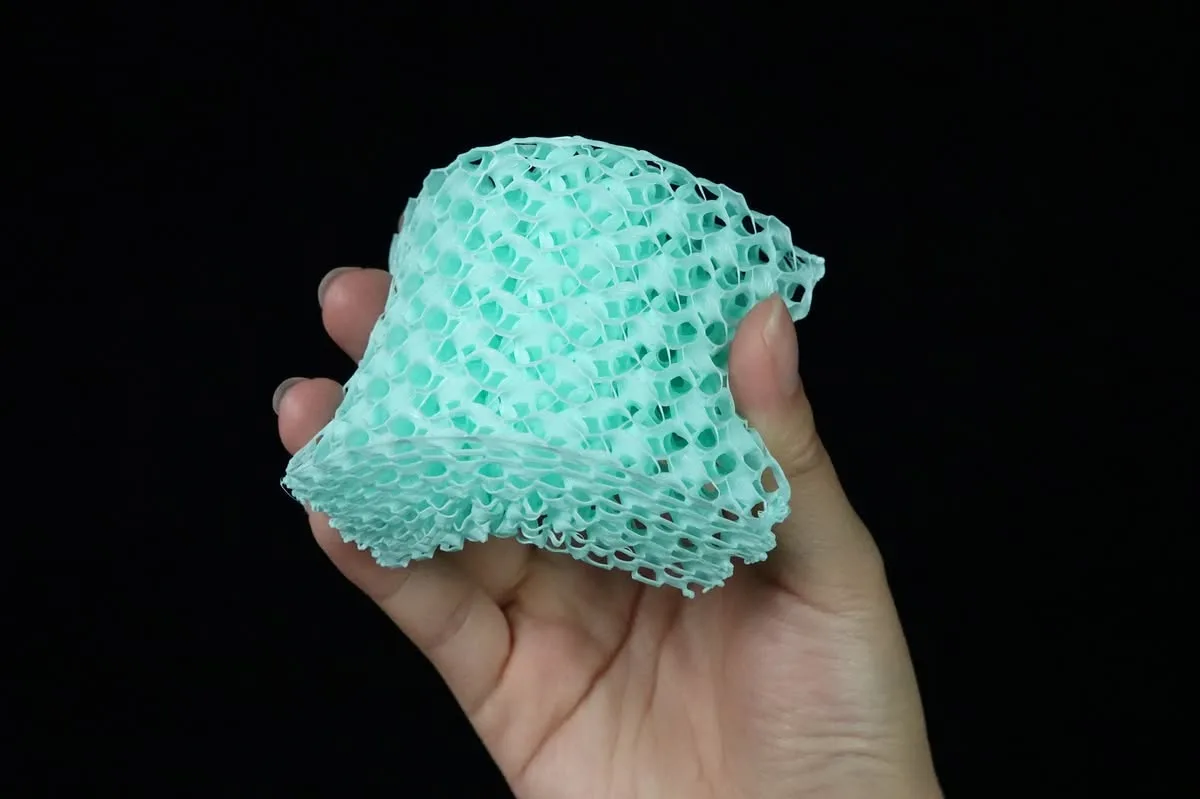
You don’t not need to understand every material before requesting a quote. Start by considering how the part will be used. Does it need to look attractive, carry weight, flex, resist heat, stay outdoors, or fit closely with another component? These simple questions can help narrow the choices, while PCBWay’s team can review special requirements when needed.
Finishing Options for a Better Final Result
A printed part doesn’t have to come out looking rough around the edges. PCBWay offers a whole range of post-processing and finishing options like polishing, sanding, spray painting, dyeing, and metal plating to help you get what you need, quickly.
Painting can give a display model the right brand color or make a prototype look closer to a future retail product. Polishing can create a smoother surface and may improve the clarity of transparent resin parts. Dyeing gives nylon parts an even color, while plating can provide a metal-like appearance. Threaded inserts and related assembly options may also make a printed component more useful in a working product.
These choices are especially valuable for presentation models, custom gifts, art pieces, movie props, product samples, and investor demonstrations. A well-finished prototype helps other people understand the idea and can make feedback more useful before money is committed to full production.
Built for Small Ideas and Serious Development
PCBWay says its network includes more than 50 3D printers. These machines can produce small, detailed parts and large objects up to 2100 × 700 × 800 millimeters.
Accuracy depends on the printing method and part size, so customers can choose the process that best fits their design.
The service can support many users. Hobbyists can order custom cases or replacement parts. Students can create models for school projects. Designers can test different product versions before choosing a final design. Businesses can make working prototypes for testing and later order larger quantities.
3D printing is used in electronics, cars, robotics, industrial equipment, medical and dental products, architecture, art, and more. It can create complex shapes and internal features that may be difficult or expensive to make with traditional methods. Because no mold is needed, designs can be changed quickly without creating new tools.
Why Choose PCBWay for Custom 3D Printing?
The main advantage of PCBWay’s 3D printing service is choice. Customers are not limited to one printer, one material, or one type of project. They can compare affordable FDM models, detailed resin prints, tough nylon parts, and strong metal components through one manufacturing service. Finishing options and expert review provide further support when a project needs more than a basic print.
The online quote process also helps make custom manufacturing more approachable. You can upload a design, set the main requirements, compare suitable options, and order from almost anywhere. PCBWay works with established delivery companies, including DHL, FedEx, and UPS, to ship completed orders to customers in different locations.
For the best result, check your model’s measurements, wall thickness, holes, and moving gaps before ordering. Think about whether appearance, strength, flexibility, accuracy, or price is the top priority. Providing clear requirements helps the production team understand your goal and recommend an appropriate path.
Start Your Next Project With PCBWay
A good idea deserves the chance to become something you can hold, test, show, and improve. PCBWay makes that step easier with professional 3D printing services for plastic, resin, nylon, and metal parts. Its range of printing methods, materials, finishes, and custom support can serve a quick personal project as well as serious product development.
If you have a finished 3D model, you are already close to getting started. Visit PCBWay’s 3D printing page, upload your design, select your preferred options, and request an online quote. From the first rough prototype to a polished presentation model or functional final part, PCBWay can help turn your digital idea into a physical result.
Liked it?
|
|