3D Printing vs CNC vs Sheet Metal vs Injection Molding: Which Process Should You Choose?
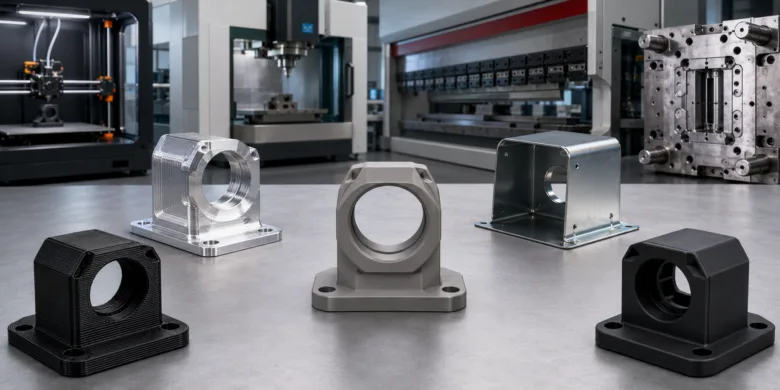
Choosing the right manufacturing process is not about picking the “best” technology. That is the wrong way to look at it.
A better question is this: what does your part actually need?
The best manufacturing process depends on geometry, quantity, material, strength, surface finish, tolerance, and budget. A small plastic prototype enclosure might be perfect for 3D printing. A strong aluminum bracket is probably a CNC machining job. A folded metal electronics case makes more sense with sheet metal fabrication. And if you need thousands of identical plastic shells, injection molding can become the obvious choice.
That is where things get interesting. The same part can sometimes be made using multiple processes, but the cost, lead time, finish, and mechanical performance can change a lot.
In this manufacturing process comparison, we will look at 3D printing vs CNC, CNC vs injection molding, 3D printing vs injection molding, and sheet metal vs 3D printing in a practical way. The goal is simple: help you choose the right process before you upload your files to an online manufacturing service like Justway.
The Simple Explanation of Each Manufacturing Process
What Is 3D Printing?
3D printing is an additive manufacturing process. Instead of cutting material away, it builds the part layer by layer from plastic, resin, nylon, or metal powder, depending on the technology used.
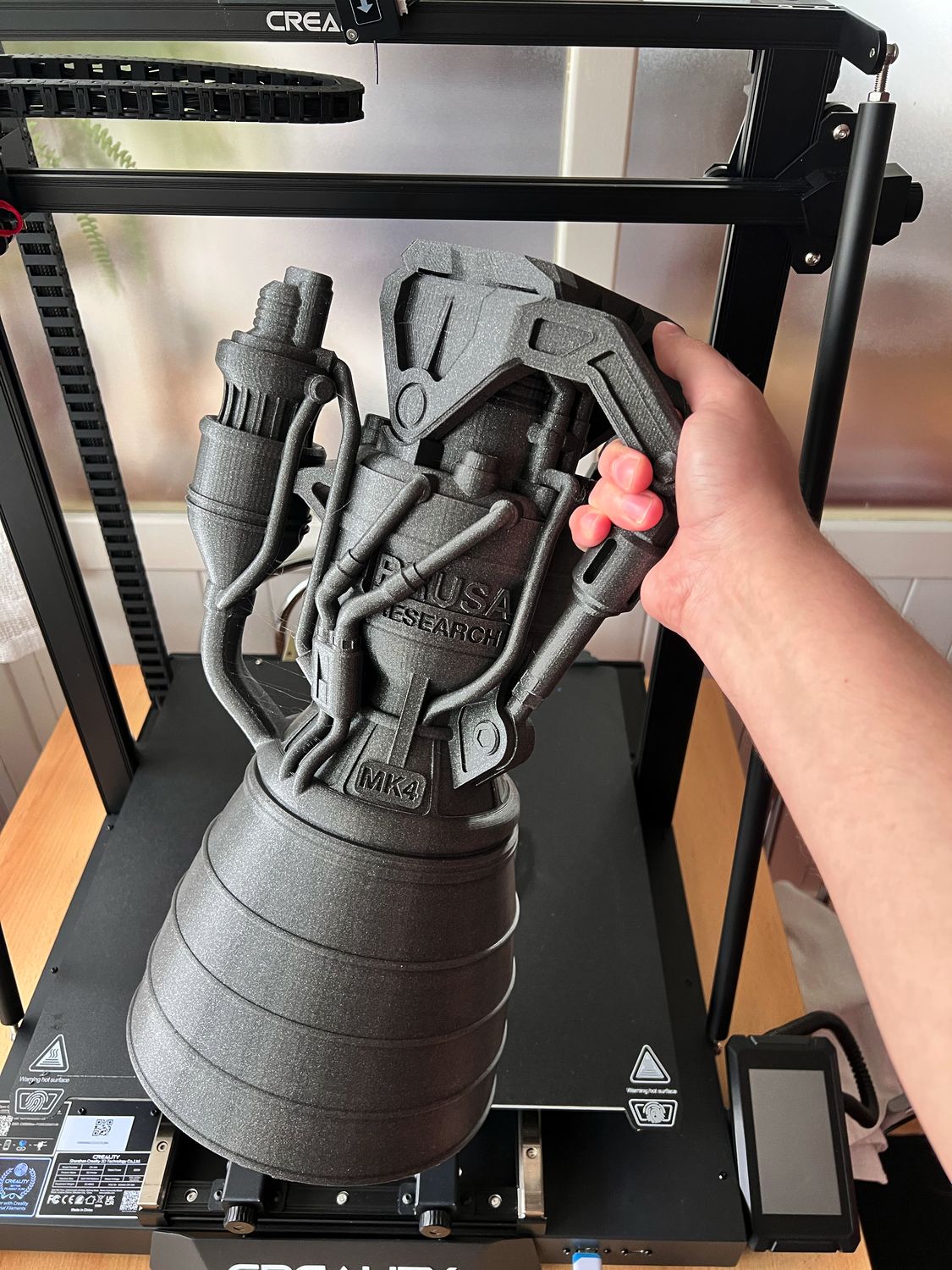
For makers and product designers, 3D printing is usually the easiest way to turn a CAD file into a real part. You can make complex shapes, internal channels, organic curves, clips, brackets, housings, and prototypes without paying for tooling.
Common 3D printing technologies include FDM, SLA, SLS, MJF, and SLM. Each one has different strengths. FDM is affordable and useful for quick plastic parts. SLA is better for fine detail and smoother surfaces. SLS and MJF are good for stronger nylon parts. SLM can produce metal parts, but it is usually more expensive and needs careful design.
3D printing is great when you need design freedom, fast prototypes, or low volume manufacturing. It is not always the best option when you need very tight tolerances, a perfect cosmetic finish, or thousands of identical parts.
What Is CNC Machining?
CNC machining is a subtractive manufacturing process. A block, bar, or plate of material is cut into shape using computer-controlled machines.
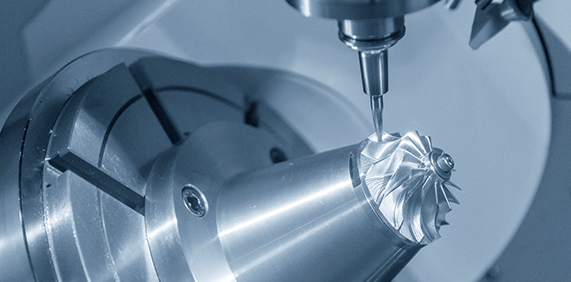
This is the process you choose when you need real engineering materials and reliable dimensions. Aluminum, stainless steel, brass, copper, POM, nylon, polycarbonate, and many other materials can be CNC machined. The final part is cut from solid material, so the strength and temperature resistance are often better than what you get from most 3D printed plastics.
CNC machining is common for metal brackets, gears, mounts, heat sinks, fixtures, jigs, robot parts, camera accessories, and product prototypes that need to behave like final production parts.
When comparing 3D printing vs CNC, the main trade-off is usually this: 3D printing gives you more geometry freedom, while CNC machining gives you better material performance, accuracy, and surface finish.
What Is Sheet Metal Fabrication?
Sheet metal fabrication starts with flat metal sheets. The part is made by cutting, bending, punching, welding, and finishing the material.
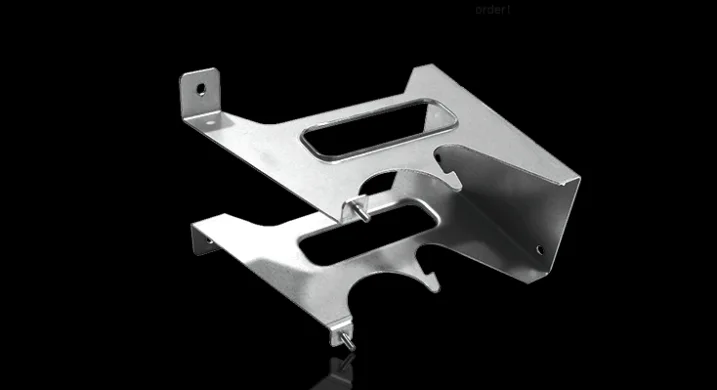
This is ideal for enclosures, panels, brackets, covers, trays, mounts, chassis parts, and structural components made from aluminum, stainless steel, mild steel, or copper.
The important thing to understand is that sheet metal parts are not designed like 3D printed or CNC machined parts. They are usually made from a flat pattern that gets bent into shape. That means wall thickness is consistent, bends need proper radii, and features need to respect the limits of cutting and bending tools.
When comparing sheet metal vs 3D printing, sheet metal is usually better for thin, strong, durable metal parts. 3D printing is better when the geometry is complex, curved, enclosed, or difficult to unfold into a flat sheet.
What Is Injection Molding?
Injection molding is a production process where molten plastic is injected into a mold. Once the part cools, the mold opens and the finished plastic part is ejected.
The expensive part is the mold. The good part is that once the mold is made, each plastic part can become much cheaper at higher quantities. This is why injection molding is used for consumer products, plastic housings, clips, caps, buttons, cases, and high volume production parts.
When comparing CNC vs injection molding, CNC machining is often better for low quantities and precision prototypes, while injection molding is better when the design is stable and you need many identical plastic parts.
When comparing 3D printing vs injection molding, 3D printing usually wins for prototypes and small batches. Injection molding usually wins when you need production-grade plastic parts in larger quantities, consistent finish, and repeatable quality.
Manufacturing Process Comparison Table
| Process | Best use case | Ideal quantity | Materials | Surface finish | Strength | Tolerance | Design freedom | Cost behavior |
|---|---|---|---|---|---|---|---|---|
| 3D printing | Prototypes, complex geometry, low volume parts | 1 to hundreds | PLA, ABS, PETG, resin, nylon, TPU, metal depending on process | Fair to good, smoother with SLA or post-processing | Good, but depends heavily on material and print orientation | Medium | Excellent | Low setup cost, cost rises mostly per part |
| CNC machining | Accurate functional parts in real materials | 1 to hundreds, sometimes thousands | Aluminum, stainless steel, brass, copper, POM, nylon, PC, PEEK | Good to excellent | Very good because parts are cut from solid material | High | Medium | Higher per-part cost, no expensive mold needed |
| Sheet metal fabrication | Brackets, panels, enclosures, chassis, covers | 1 to thousands | Aluminum, stainless steel, mild steel, copper | Good, especially with powder coating or brushing | Very good for thin metal structures | Medium to high | Medium, limited by bending rules | Efficient for flat and bent metal parts |
| Injection molding | Production plastic parts | Hundreds to millions | ABS, PC, PP, PE, nylon, POM, TPU and more | Excellent and repeatable | Very good with the right plastic | High and repeatable | Medium, limited by mold rules | High tooling cost, low unit cost at volume |
| Vacuum casting | Small batches that look like molded parts | Around 1 to 500 | Urethane-like plastics and rubber-like materials | Very good | Good for prototypes and presentation parts | Medium | Good | Lower tooling cost than injection molding, good for small batches |
When to Choose 3D Printing
Choose 3D printing when speed, flexibility, and geometry matter more than perfect finish or the lowest unit cost.
This is usually the right process for early prototype manufacturing. You can test the shape, size, fit, ergonomics, and function without investing in tooling. If the part does not work, you change the CAD file and print another one.
3D printing is a strong choice when your part has:
Complex Geometry
Internal channels, curved forms, lattice structures, organic shapes, and undercuts are often much easier to make with 3D printing. With CNC machining, the tool needs physical access to cut the shape. With injection molding, the mold needs to open and release the part properly.
With 3D printing, you get more freedom. Not unlimited freedom, but definitely more.
Low Quantity Requirements
If you only need 1, 5, 20, or 100 parts, 3D printing can be cheaper and faster than making a mold. This is why 3D printing is so useful for makers, startups, and small businesses testing new ideas.
Fast Design Iteration
Need to try three enclosure versions before deciding where the buttons go? 3D printing makes sense. Need to test cable routing, snap fits, mounting holes, or basic ergonomics? Again, 3D printing.
This is where the process shines. Fast mistakes, cheap lessons.
Parts That Do Not Need Perfect Cosmetic Finish
3D printed parts can look good, especially SLA, MJF, and well-finished SLS parts. But if you need the finish of a final consumer product, injection molding or vacuum casting might look more polished.
When to Choose CNC Machining
Choose CNC machining when you need strong, accurate parts from real engineering materials.
If your part needs to hold load, resist heat, survive wear, or fit precisely with other parts, CNC is often the safer choice. This is especially true for aluminum, stainless steel, brass, copper, POM, nylon, and other materials that are commonly used in mechanical applications.
CNC Is Great for Functional Metal Parts
A drone arm, camera mount, motor plate, bearing block, robot part, or aluminum enclosure can often be CNC machined with excellent results.
Unlike 3D printing, CNC machining does not build parts layer by layer. That means you do not have the same layer adhesion concerns you get with FDM parts.
CNC Is Good for Tight Tolerances
If a hole needs to line up properly, a shaft needs to fit, or a bearing needs a clean seat, CNC machining is usually better than standard 3D printing.
This does not mean CNC is perfect for every shape. Deep internal pockets, sharp inside corners, thin walls, and complex hidden features can increase cost or become impossible. But for many mechanical parts, CNC is the practical choice.
CNC Works Well Before Injection Molding
In many product development projects, CNC machining is used before injection molding. You can machine a few prototypes from plastic or metal, test them, then move to molding when the design is stable.
That is the real answer in the CNC vs injection molding debate. It is not always one or the other. Often, CNC comes first, injection molding comes later.
When to Choose Sheet Metal
Choose sheet metal fabrication when your part is mostly made from thin metal and can be cut and bent from a flat sheet.
This is one of the most practical manufacturing methods for enclosures, brackets, panels, trays, covers, rack mounts, electronics housings, machine guards, and structural parts.
Sheet Metal Is Efficient for Strong Thin Parts
If you need a strong metal bracket, sheet metal can be much cheaper than CNC machining the same shape from a solid block. You are not paying to remove a large amount of material. You are cutting and bending the material into shape.
That sounds simple, but it is surprisingly effective.
Sheet Metal Is Better Than 3D Printing for Many Metal Enclosures
When comparing sheet metal vs 3D printing, think about the shape first. If the part is basically a folded metal box, panel, or bracket, sheet metal is usually the better process.
If the part has complex curves, hidden channels, organic shapes, or one-piece internal structures, 3D printing might be better.
Design Rules Matter
Sheet metal needs proper bend radii, bend reliefs, hole spacing, and consistent thickness. You also need to think about how the part will be assembled. Tabs, slots, PEM inserts, welded joints, and fasteners can all be part of the design.
A good sheet metal part looks simple because the design work was done properly.
When to Choose Injection Molding
Choose injection molding when you need many identical plastic parts and the design is already tested.
Injection molding is not usually the best first step for a new idea. The mold costs money, and design changes after tooling can be expensive. But once the design is locked, injection molding can produce consistent parts with good finish, repeatable dimensions, and a low unit cost at volume.
Injection Molding Is Best for Production
If you are making a consumer product shell, remote control housing, clip, cap, handle, plastic cover, or electronics enclosure in larger quantities, injection molding is usually the final production process.
Injection Molding Needs Mold-Friendly Design
Injection molded parts need draft angles, controlled wall thickness, ribs instead of thick solid sections, proper gate placement, and good parting line planning.
This is where many beginners get caught. A 3D printed part might work perfectly as a prototype but still be a bad injection molded design. Thick walls can sink. Sharp transitions can warp. Undercuts can require side actions. Small details might need changes.
So, when comparing 3D printing vs injection molding, remember that the design may need to be adapted. It is not always a direct copy-paste from printed prototype to molded part.
What About Vacuum Casting?
Vacuum casting sits between 3D printing and injection molding.
It is useful when you need a small batch of parts that look and feel closer to injection molded parts, but you do not want to pay for production tooling yet. A master pattern is made first, often using CNC machining or 3D printing. Then a silicone mold is created, and urethane-like material is cast into the mold under vacuum.
This process is useful for presentation prototypes, small pilot runs, marketing samples, pre-production testing, and parts that need a better cosmetic finish than standard 3D printing.
Vacuum casting is not the same as injection molding. The mold life is limited, the material options are different, and it is not meant for huge production runs. But for small batches, it can be a very nice middle step.
Think of it like this:
3D printing is great for rough and functional iteration.
Vacuum casting is great for realistic samples and small batches.
Injection molding is great for full production.
Practical Examples
Prototype Enclosure
Let’s say you are designing a small electronics enclosure for a sensor.
For the first version, 3D printing is probably the best choice. You can test the PCB fit, mounting posts, cable holes, button placement, and general shape. If something is wrong, you update the CAD file and try again.
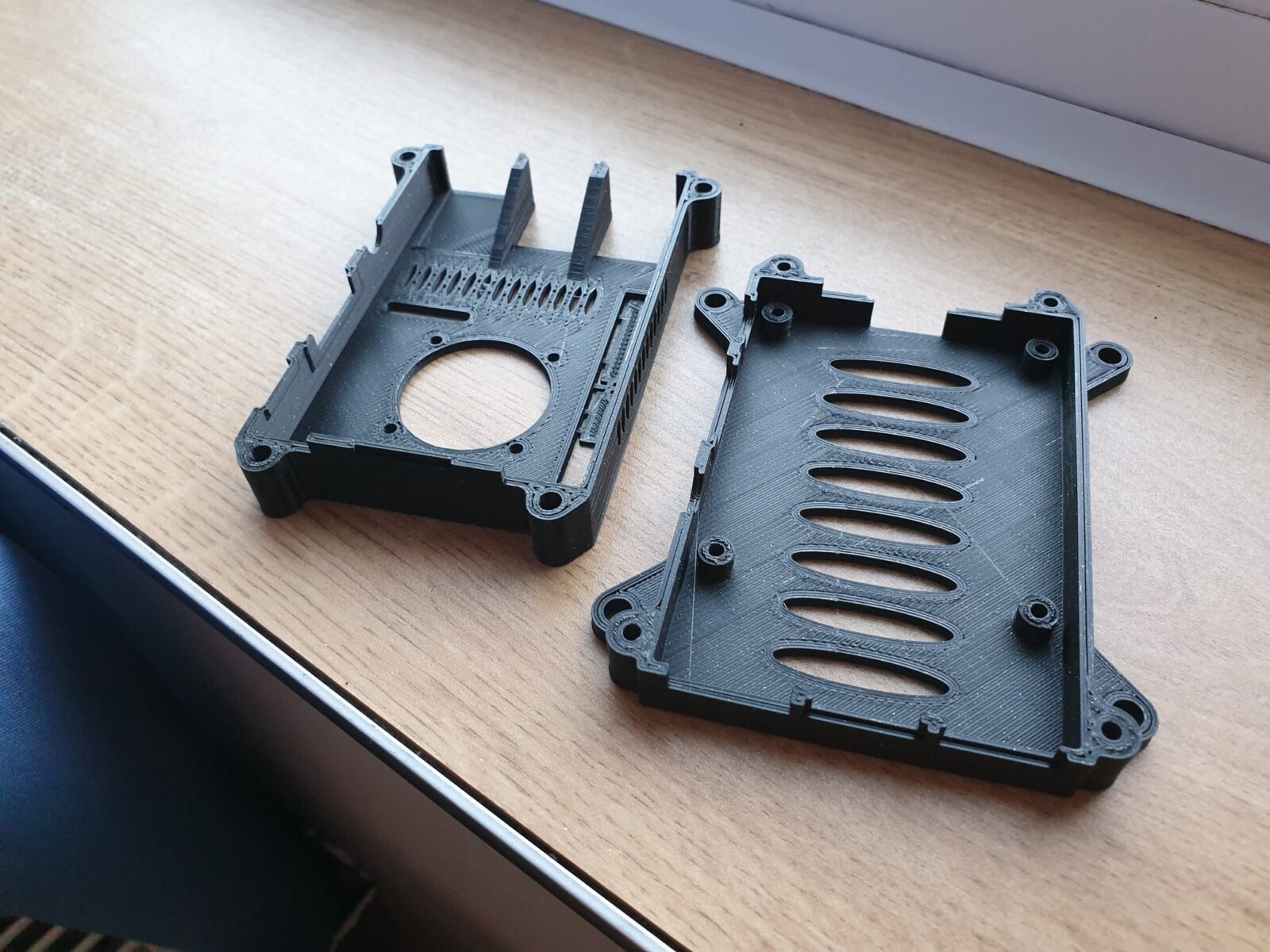
If you need a few nicer samples for customers or investors, vacuum casting could be a good next step. If the product is going to production and you need thousands of housings, injection molding becomes more attractive.
Best path: 3D printing, then vacuum casting, then injection molding.
Metal Bracket
Now imagine a metal bracket that holds a motor in place.
If the bracket is thick, compact, and needs accurate holes, CNC machining is probably the right choice. Aluminum or stainless steel can give you the strength and precision needed.
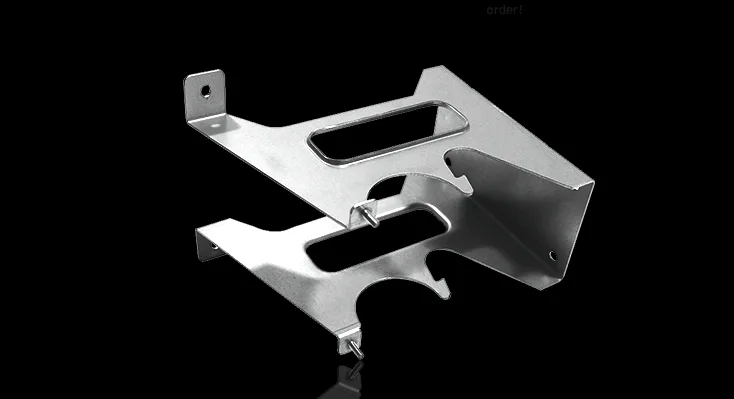
If the bracket is made from thin metal and only needs a few bends, sheet metal fabrication might be better and cheaper.
Best path: CNC for thick precision brackets, sheet metal for folded brackets.
Functional Gear
A functional gear depends on load, wear, accuracy, and quantity.
For a quick fit test, 3D printing can work. SLS nylon or MJF nylon can be useful for functional prototypes. But if the gear carries real load or needs precise tooth geometry, CNC machining from POM, nylon, brass, or aluminum may be a better option.
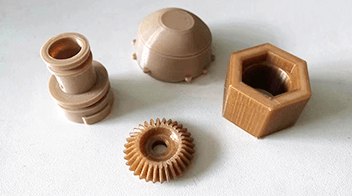
For mass production, injection molding can work well, but only after the gear design and material are properly validated.
Best path: 3D printing for early testing, CNC for functional validation, injection molding for production.
Consumer Product Shell
A consumer product shell usually needs good looks, repeatability, and a nice surface finish.
For early shape testing, 3D printing is the easiest choice. For realistic demo units, vacuum casting can make the part look closer to final production. For larger quantities, injection molding is usually the best option.
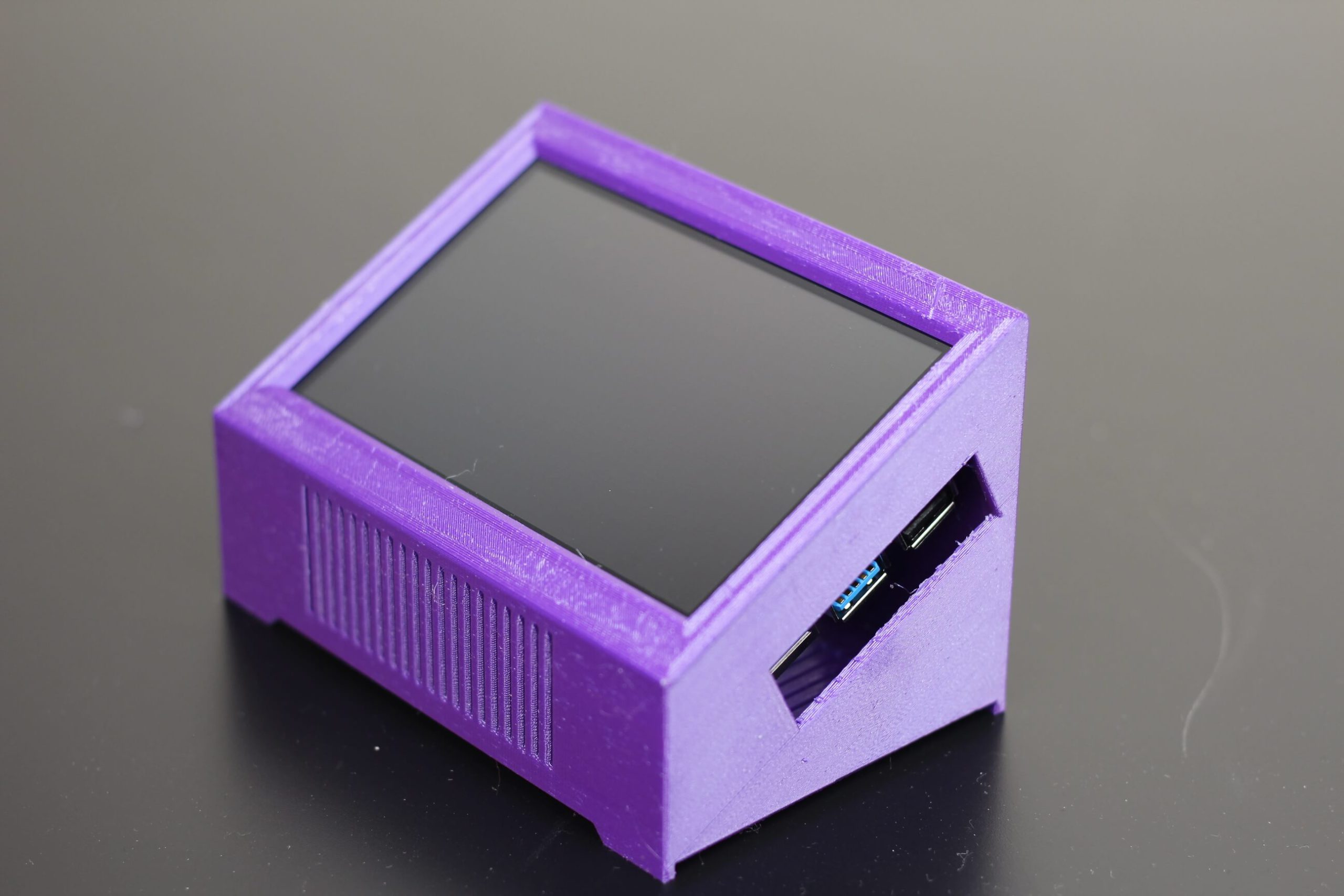
Best path: 3D printing for shape, vacuum casting for presentation samples, injection molding for production.
How Justway Helps You Move Between Processes
One advantage of using an online manufacturing service like Justway is that you are not locked into a single process from the start.
Justway currently offers CNC machining, 3D printing, sheet metal fabrication, injection molding, and vacuum casting, which makes it easier to compare different manufacturing routes for the same project. Its listed capabilities include CNC milling, turning and wire-cut EDM, sheet metal laser cutting, bending, welding and punching, multiple 3D printing technologies, production-grade injection molding tooling, and vacuum casting for faster prototype turnaround.
That matters because product development is rarely a straight line.
You might start with a 3D printed prototype, then order a CNC machined version for functional testing. Later, you might use vacuum casting for a small batch of realistic demo parts. If the design is successful, injection molding can become the production process.
For metal products, you might compare CNC machining against sheet metal fabrication. For plastic products, you might compare 3D printing, vacuum casting, and injection molding.
The quote system is useful because it gives you a practical way to compare cost, lead time, and process options based on your actual CAD files, not just theory.
Decision Checklist
Before choosing a manufacturing process, ask yourself these questions:
- How many parts do I need right now?
- Will the design change after this order?
- Does the part need to be plastic, metal, rubber-like, or something else?
- Does it need to carry load or resist heat?
- Are tight tolerances important?
- Is surface finish important for the final product?
- Can the part be made from a flat sheet and bent?
- Does the geometry need internal channels, curves, or complex details?
- Is this a prototype, a small batch, or production?
- Would it help to quote the same part in multiple processes?
A simple rule works pretty well:
Choose 3D printing for fast prototypes and complex low volume parts.
Choose CNC machining for accurate, strong parts in real engineering materials.
Choose sheet metal for thin metal brackets, panels, and enclosures.
Choose injection molding for high volume plastic production.
Choose vacuum casting for small batches that need a molded look without full production tooling.
Final Thoughts
There is no universal winner in the 3D printing vs CNC vs sheet metal vs injection molding debate. Each process has a job.
3D printing is flexible and fast. CNC machining is precise and strong. Sheet metal fabrication is efficient for folded metal parts. Injection molding is hard to beat for production plastic parts. Vacuum casting fills the gap when you need small batches that look more polished than typical 3D printed parts.
If you already have a CAD file, the most practical next step is to compare processes using Justway’s quote system. Upload the part, check the available manufacturing options, and look at the price, lead time, material choices, and finish options side by side.

That is usually much more useful than guessing. And honestly, guessing is where expensive mistakes start.
FAQ
Is CNC machining better than 3D printing?
Not always. CNC machining is usually better for tight tolerances, strong materials, and functional metal or plastic parts. 3D printing is usually better for fast prototypes, complex geometry, and low quantity parts. The right choice depends on the part.
Is 3D printing cheaper than injection molding?
For prototypes and small batches, yes, 3D printing is usually cheaper because there is no mold cost. For high volume production, injection molding can become cheaper per part because the tooling cost is spread across many parts.
When should I choose sheet metal instead of CNC machining?
Choose sheet metal when the part can be made from a flat sheet that is cut and bent into shape. Brackets, covers, panels, and simple enclosures are often better suited for sheet metal. Choose CNC machining when the part needs thicker geometry, pockets, precise features, or solid material strength.
Can I use 3D printing for final parts?
Yes, but it depends on the material, technology, and application. SLS, MJF, SLA, FDM, and metal 3D printing can all be used for final parts in the right situation. For high cosmetic quality or large production quantities, vacuum casting or injection molding may be better.
What is the best process for low volume manufacturing?
For low volume manufacturing, 3D printing, CNC machining, sheet metal fabrication, and vacuum casting can all make sense. Use 3D printing for complex plastic parts, CNC for strong accurate parts, sheet metal for folded metal parts, and vacuum casting for small batches with a molded look.
Liked it?
|
|